How the Right Roofing Contractor Protects Your Home
Selecting an reliable roofing company is critical for maintaining a home’s structure. The quality of materials and workmanship directly impacts the roof’s durability and resistance to damage. Homeowners must consider multiple elements, from licensing and insurance to customer reviews and material options. Each decision contributes in safeguarding the property. Yet, many overlook critical points that can lead to serious complications down the line. What should homeowners focus on when making this important choice?
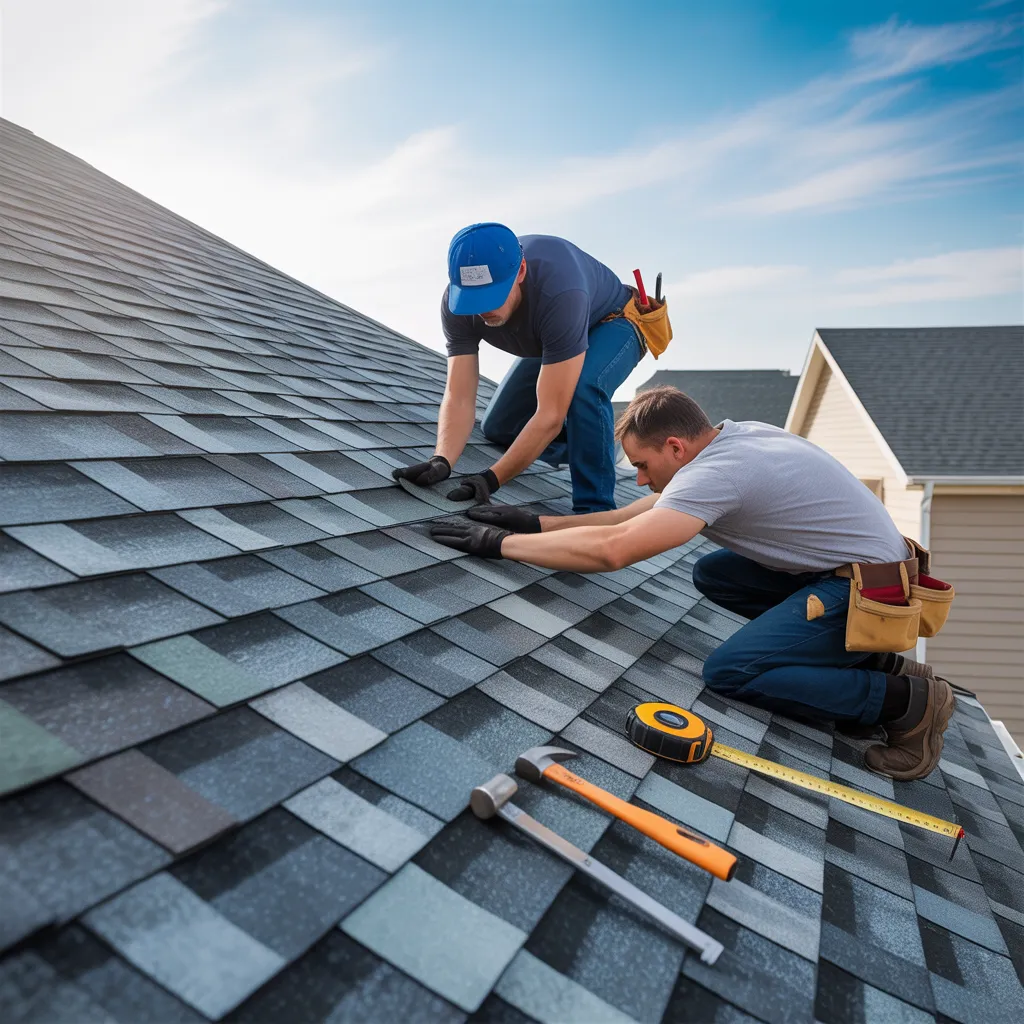
The Role of Quality in Roofing Work
Quality serves as a key element in roofing services, directly impacting the longevity and performance of a roof. High-quality materials and skilled craftsmanship ensure that roofs withstand various weather conditions, preventing leaks and structural damage. A well-installed roof not only enhances a property's visual value but also contributes to energy efficiency by improving insulation. Conversely, subpar workmanship can lead to faster damage, necessitating costly repairs or replacements.
Moreover, investing in quality roofing prevents common complications such as mold growth or compromised structural integrity. Homeowners should prioritize companies known for their professional excellence, as this reflects reliability. Selecting a roofing service that emphasizes quality fosters confidence, ensuring long-term protection.
Why Licensing and Insurance Matter in Roofing
When selecting a roofing company, understanding their licensing and insurance is crucial. Verifying the validity of their license confirms alignment with local regulations, while adequate insurance coverage protects both the homeowner and contractor from potential liabilities. Requesting documentation helps confirm that the company meets required standards.
Verify License Validity
Homeowners should verify the validity of a company's license to ensure they are hiring a reputable contractor. A licensed roofing contractor demonstrates adherence to standards. Checking the license with the appropriate regulatory body can confirm authenticity. Additionally, certifications and affiliations can further indicate a commitment to quality.
Insurance Protection Benefits
A well-insured roofing contractor protects against unexpected expenses. This includes coverage for on-site accidents, property damage, and other unforeseen incidents. Without proper insurance, homeowners may face financial burdens. Verifying insurance ensures security throughout the project.
Ask For Documentation
Homeowners should request proof material of licensing and insurance to confirm qualifications. Proper documentation protects against liability risks. Companies lacking these credentials may pose risks.
Evaluate a Roofing Company's Experience
Experience serves as a key factor when selecting a roofing company. Companies with extensive experience demonstrate a deeper understanding of roofing systems and regulations. Skilled professionals can detect potential problems, ensuring durability.
Evaluating a company’s track record provides insights into their capabilities. Established companies often have better supplier relationships, resulting in better pricing. A strong portfolio highlights quality workmanship.
Understanding Customer Feedback
Customer reviews and references provide important information about a company's performance. Indicators such as workmanship quality and communication can influence decisions.
Craftsmanship Evaluation
High ratings often reflect long-lasting results and attention to detail. Negative reviews may highlight poor installation. Choosing a company with proven workmanship ensures lasting protection.
Customer Communication
Effective communication is a critical factor of professionalism. Companies that respond promptly and provide updates build trust. Strong communication enhances the overall experience.
Explore Your Roofing Material Options
Homeowners can choose from various materials, each offering specific features. Asphalt shingles are cost-effective, while metal roofing offers energy efficiency. Slate and tile provide eco-friendly options, and wood adds traditional style.
Selecting the right material depends on practical needs. Careful evaluation ensures better protection.
Compare Quotes for Best Value
Obtaining multiple quotes helps homeowners assess value. It is important to evaluate not just price but also services included.
A slightly higher price may reflect greater reliability. Comparing all aspects ensures smart investment.
Ask These Essential Questions Before Hiring?
Homeowners should ask about credentials and qualifications. Additional questions include project timelines, warranties, payment terms, and safety practices. These discussions help prevent unexpected problems and ensure project success.
FAQs
Project Duration
Most projects take one to three weeks, depending on size and complexity.
Guarantee Coverage
Warranties typically cover installation and defects for 5–20 years.
Can I Stay in My Home During the Roofing Installation?
Homeowners can usually stay, though temporary inconvenience should be expected.
Roof Warning Signs
Signs include leaks, missing shingles, sagging, mold, and stains.
Post-Installation Care
Regular inspections, cleaning, and prompt repairs help maintain performance.